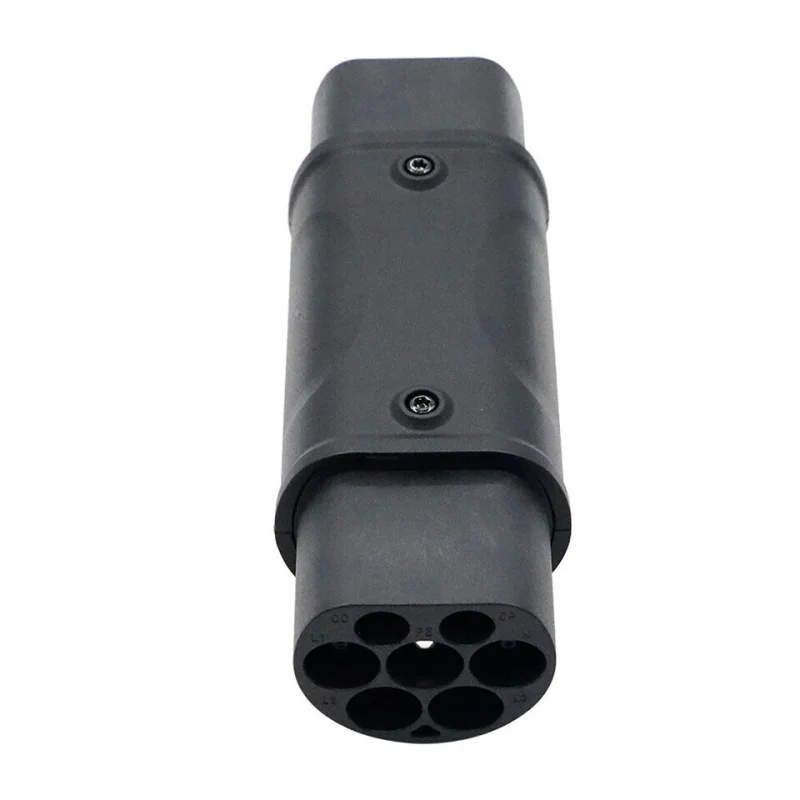
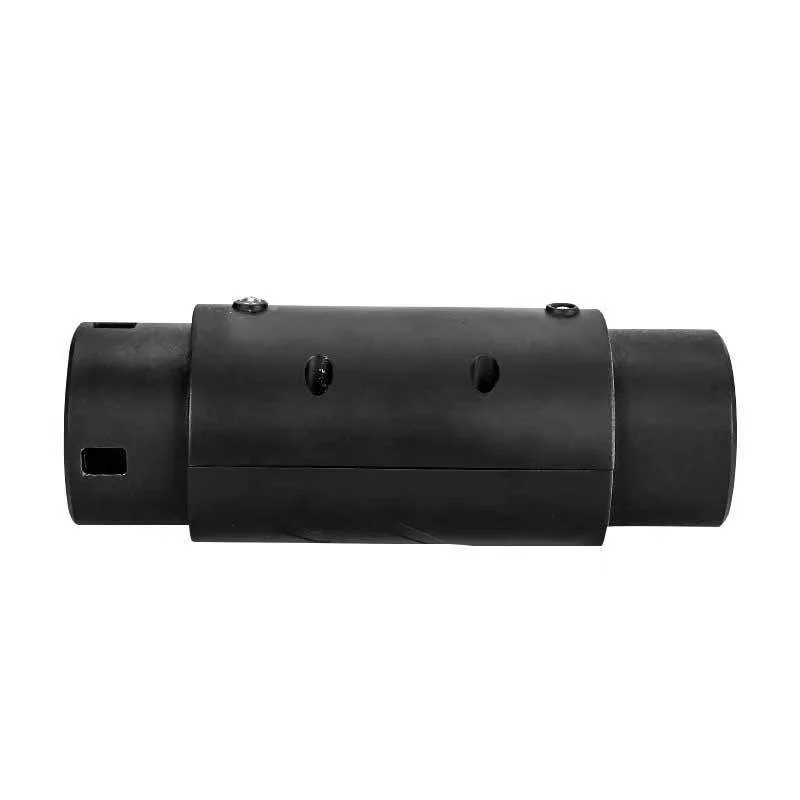
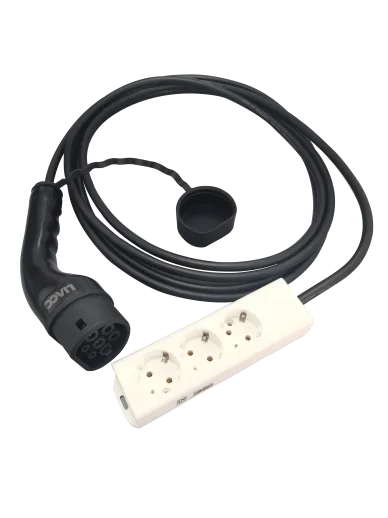
The type of cable needed for Electric Vehicle (EV) charging depends on the charging station, the vehicle’s port, and the charging standard it supports. Generally, there are a few common types of cables used for EV charging:
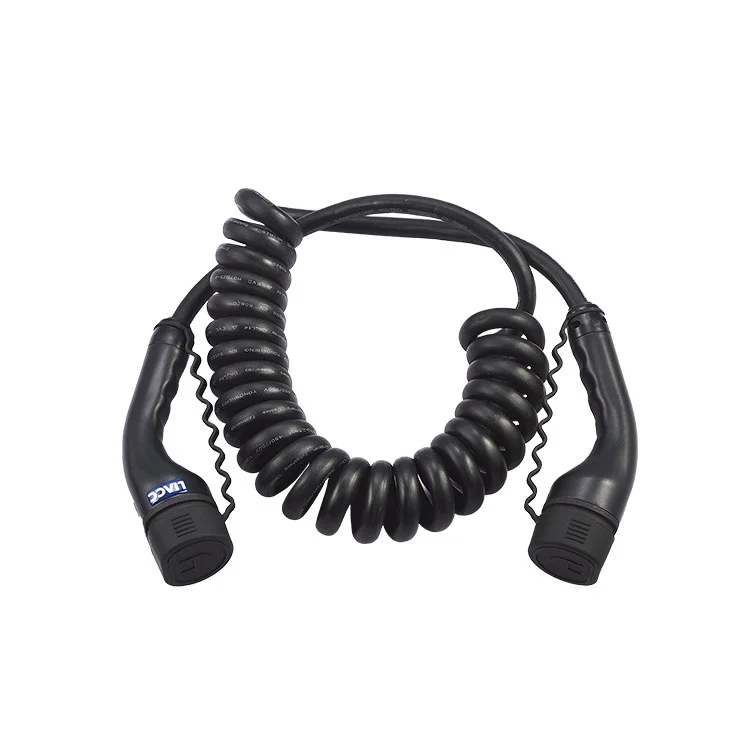
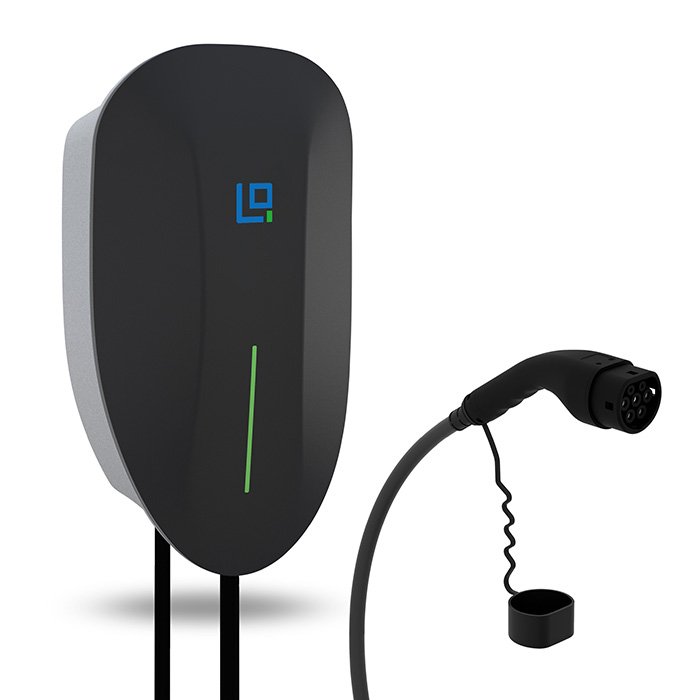
AC Charging (Level 1 and Level 2):For home charging or public charging stations providing AC power, a standard J1772 connector is commonly used in North America. In Europe, the Type 2 (Mennekes) connector is prevalent. These cables typically handle single-phase or three-phase AC power and can charge vehicles at various rates.
DC Fast Charging (Level 3):DC fast charging stations utilize CCS (Combined Charging System) for most EVs in North America and Europe. This system combines the standard AC charging port (J1772 or Type 2) with additional DC pins to deliver high-power DC charging. Alternatively, CHAdeMO is another DC fast charging standard, more commonly used by certain EV models like some Nissan and Mitsubishi vehicles.
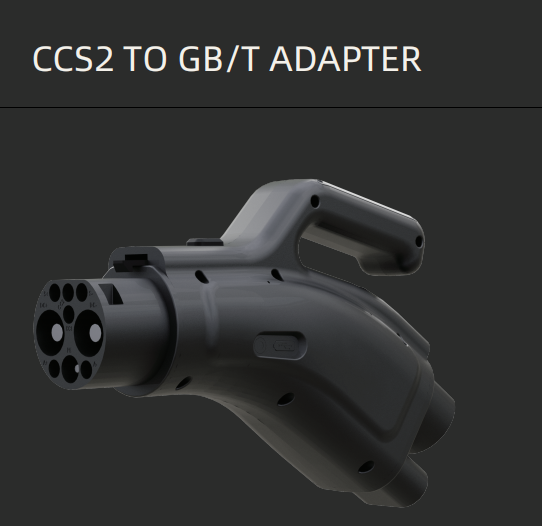
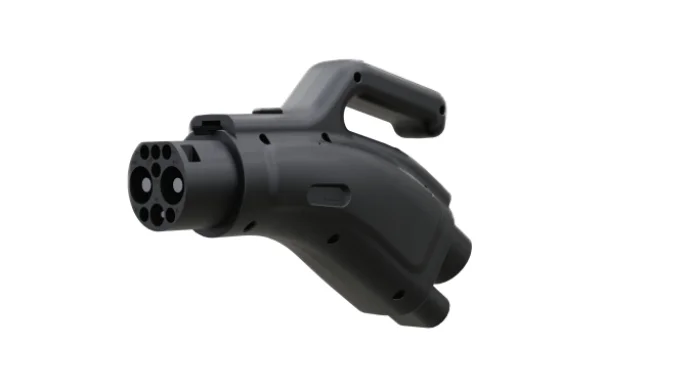
Tesla Vehicles:Tesla vehicles come with their proprietary charging connector. Tesla’s Supercharger stations require a Tesla-specific cable. However, adapters are available for Tesla vehicles to use other charging standards like J1772 or CCS, depending on the region and adapter availability.
When purchasing an EV or installing a charging station, it’s crucial to ensure that the cable and connector match the vehicle’s port and the charging station’s compatibility to facilitate proper and safe charging.
It’s advisable to check the EV manufacturer’s recommendations and the charging infrastructure available in your region to ensure you have the appropriate cable or adapters for charging your specific vehicle.
Related Links:https://www.liaenergy.com/