Although Type 2 AC EV chargers (compliant with European standards such as IEC 61851, etc.) play an important role in the European electric vehicle (EV) infrastructure, they still face many challenges. The following are the main challenges and analysis:
Technical compatibility and standardization
“Regional differences in standard implementation”: Although the EU promotes unified standards (such as Type 2 interface), different countries may still have subtle differences in grid specifications, communication protocols (such as OCPP) or safety certifications (such as CE certification), leading to cross-regional compatibility issues.
“Vehicle-AC EV charger communication coordination”: With the development of smart grid and V2G (vehicle-to-grid) technology, existing EV charger need to support more complex communication protocols (such as ISO 15118), which poses a challenge to the upgrade of old equipment.
Grid pressure and energy management
“Grid capacity limitations“: Large-scale deployment of AC charging piles (especially high-power 22 kW three-phase piles) may increase local grid loads, especially in old communities or during peak hours.
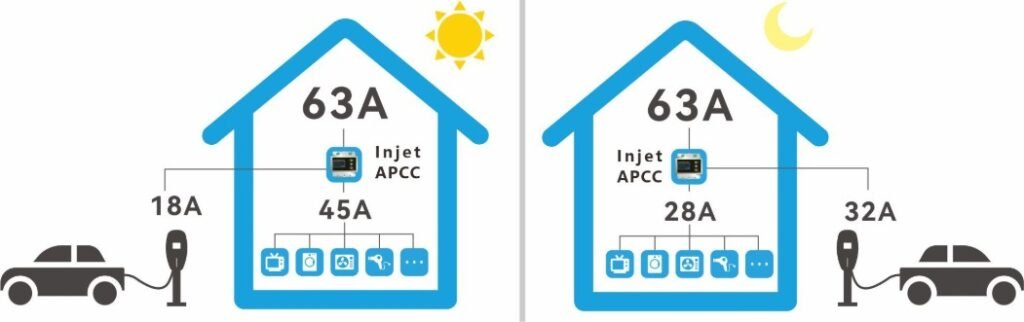
“Dynamic load balancing needs“: When multiple piles are running at the same time, power needs to be intelligently distributed to avoid overload, but the existing system may lack flexibility and real-time response capabilities.
Charging efficiency and user experience
“Charging speed disadvantage“: AC EV chargers generally have low power (typically 3.7-22 kW), which takes longer than DC fast charging (50-350 kW), making it difficult to meet users’ needs for rapid energy replenishment, affecting their willingness to popularize.
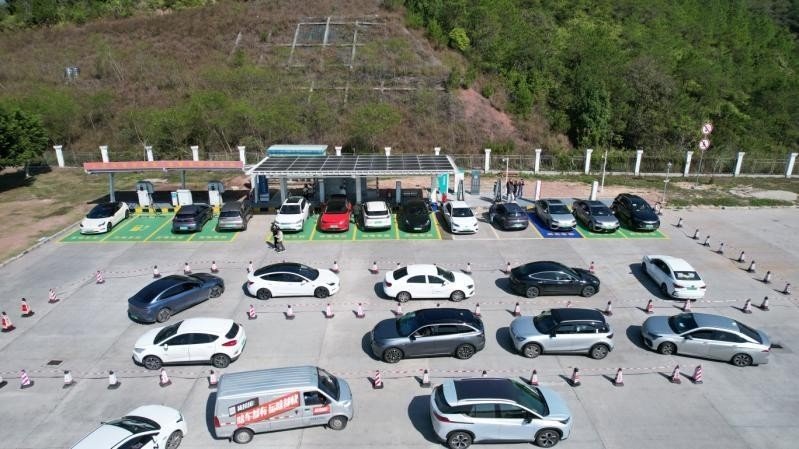
“User waiting time cost“: In public places (such as shopping malls and highway service stations), slow charging may cause parking spaces to be occupied for a long time, reducing turnover.
User convenience and service network
“Uneven coverage density“: Charging piles are concentrated in large cities, and the coverage rate in rural and remote areas is low, forming a “charging desert”.
“Fragmented payment system“: Different operators use independent payment platforms or membership systems, and users need to install multiple apps, which fragments the experience.
Safety and Regulatory Compliance
“Electrical safety risk“: Extreme weather (such as floods and high temperatures) may cause equipment failures, and stricter IP protection levels (such as IP54/IP55) must be met.
“Data privacy and network security“: Smart charging piles must collect user data in accordance with GDPR and other regulations, and preventing cyber attacks has become a new challenge.
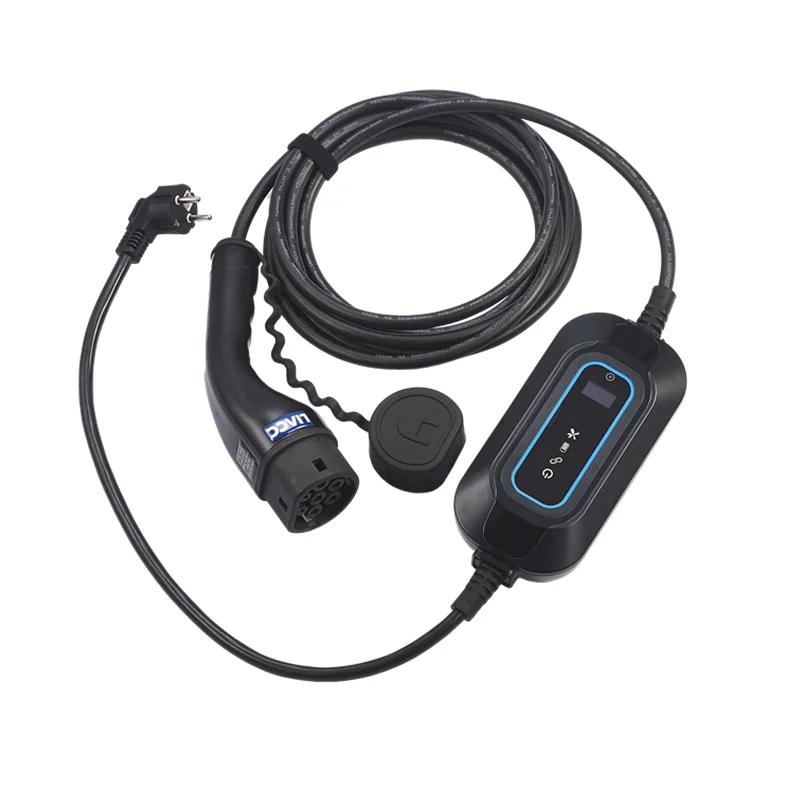
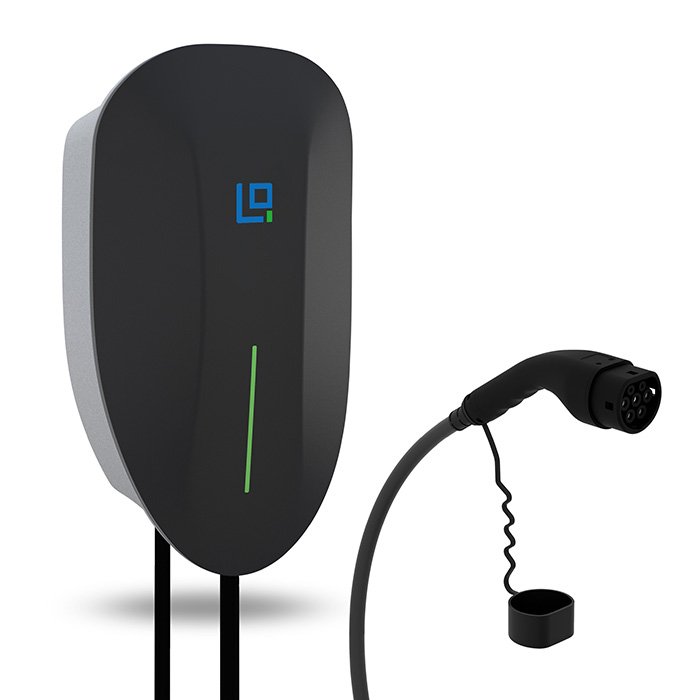
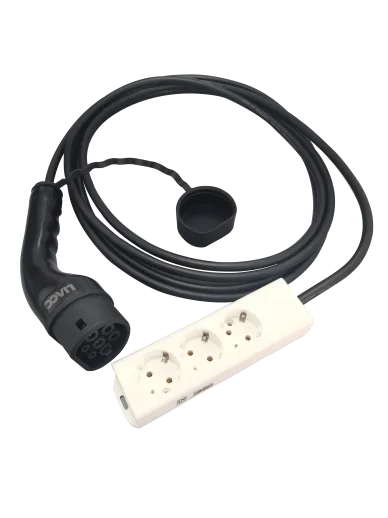
In response to the above-mentioned issues, our LIACC AC EV chargers strictly follow the IEC standards and have obtained CE, ROHS and UKCA certifications issued by TUV laboratories.
The protection level reaches IP54/IP55, suitable for harsh outdoor environments.
In addition, we can also provide:
-AC EV chargers that support scheduled charging.
-Commercial AC EV chargers based on OCPP1.6J.
-AC EV chargers that support dynamic load balancing.
To meet different needs.